The Benefits of Automotive Vehicle Wraps
Automotive vehicle wraps offer a removable way to change a vehicle’s appearance, display business branding, or add distinctive accents without repainting it. Their biggest advantage is flexibility: you can choose a complete transformation or focus on selected panels. Understanding the materials, installation requirements, and maintenance involved helps you decide whether wrapping fits your vehicle and your goals. (averydennison.com)
What are automotive vehicle wraps, and why choose them?
Automotive vehicle wraps are adhesive-backed films applied to a vehicle’s exterior to change its appearance or carry advertising. Depending on the project, they can cover much of the painted bodywork or create a smaller, targeted design. Their appeal is the ability to customize a vehicle with a finish that is removable rather than permanent paint. (averydennison.com)
The terminology can overlap, so describe the result you want when requesting a quote. These common options provide a useful starting point:
- Full wraps: Consider these when you want a broad color change or extensive branded coverage.
- Partial wraps: Use selected panels to create an accent or incorporate the vehicle’s existing color into a design.
- Vehicle decals: Choose individual logos, lettering, or other graphics when you do not need broad coverage.
Manufacturers offer options ranging from decals to full wraps, so the right solution need not be the largest one. Start with your purpose, then choose the coverage that supports it. (3m.com)
A distinctive appearance without a permanent repaint
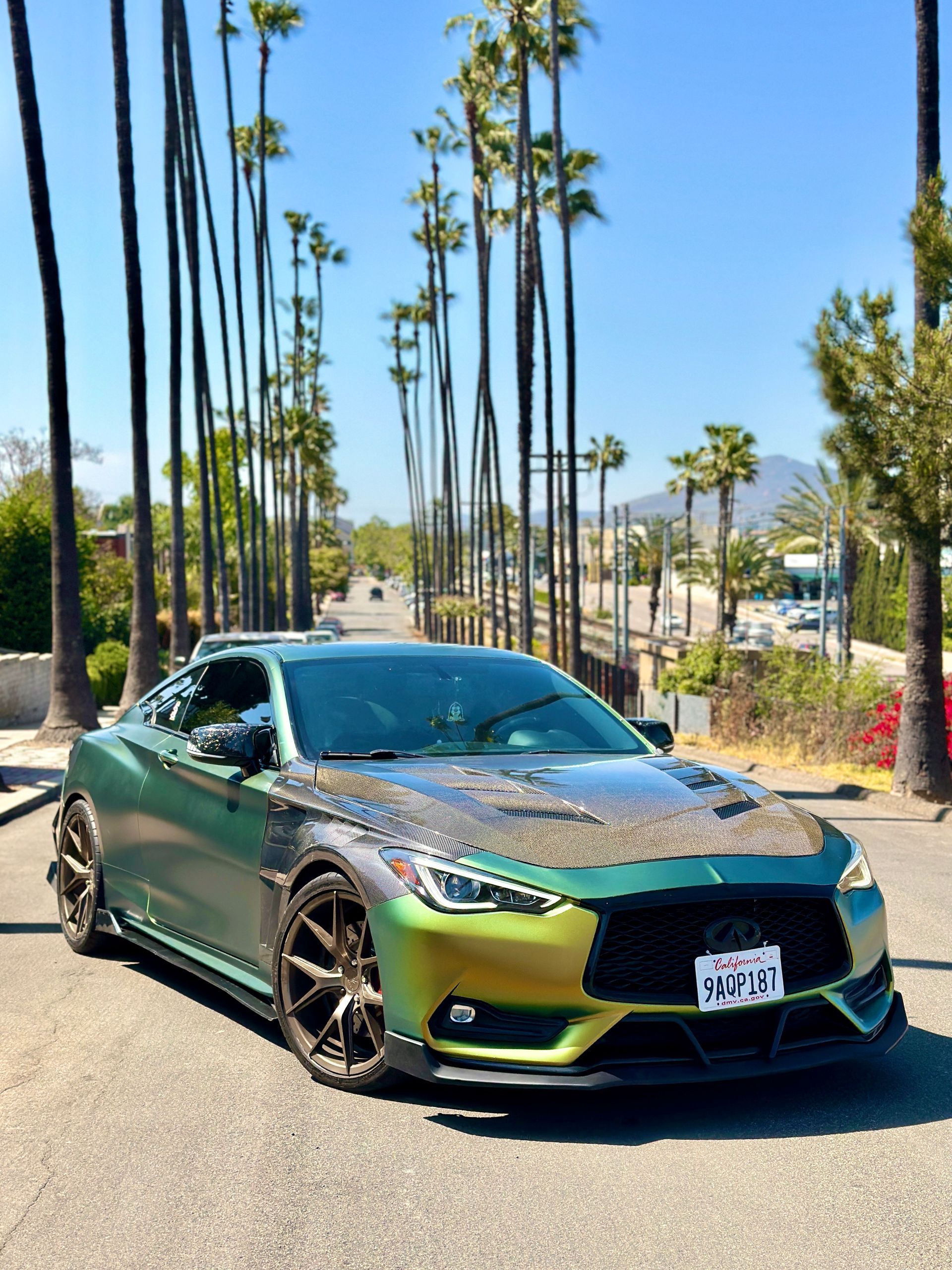
For personal vehicles, car wraps offer room to explore a different look without committing to a new paint color. A full color change can create a substantial visual difference, while a contrasting roof, hood, or mirror treatment offers a more restrained approach. Color and texture choices depend on the film range you select. (averydennison.com)
Before choosing car vinyl, ask to see physical samples rather than relying entirely on a screen. Compare your shortlist beside the vehicle and consider how each option works with its wheels, trim, and remaining exposed paint. If possible, review samples outdoors as well as inside the shop.
Treat the design as a whole rather than a collection of separate upgrades. For example, you might choose a single contrasting accent instead of combining several competing colors. Ask the installer to explain the planned coverage, particularly around panel edges and door openings, so the finished appearance matches your expectations.
How can vehicle wraps support business visibility?
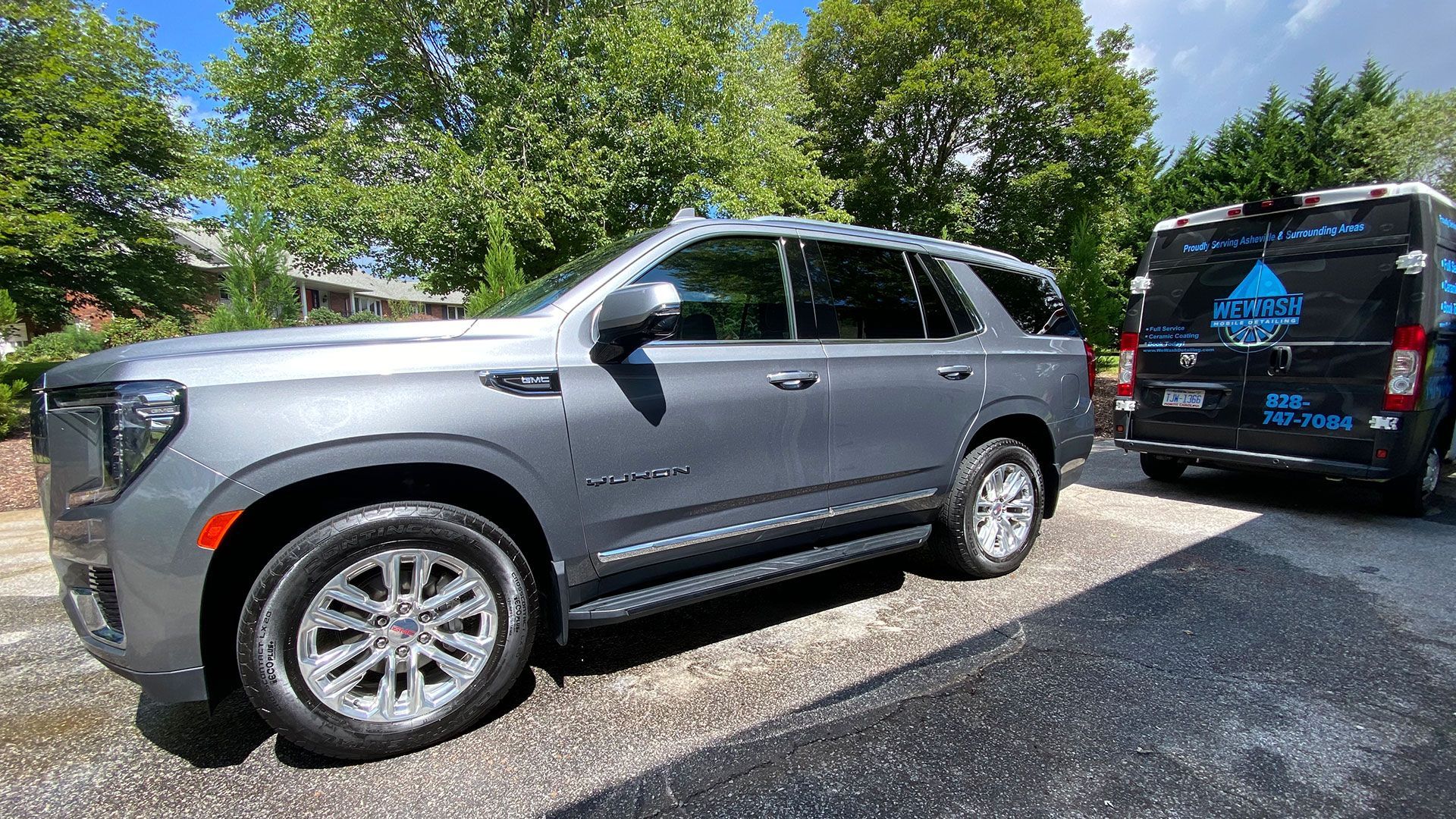
Vehicle wraps can place your company’s identity on vehicles already used for deliveries, service visits, and other business travel. They turn exterior space into a branding surface, allowing a single van or a larger fleet to display recognizable graphics while carrying out normal work. That creates an advertising opportunity, although visibility alone does not guarantee inquiries or sales. (3m.com)
For a business owner, the practical design question is simple: what should someone understand at a glance? Start with your name and core service, then decide which contact detail matters most. Resist the temptation to reproduce an entire brochure across the side of a van. Avery Dennison’s installer guidance favors clear branding over crowded layouts and small details. (averydennison.com)
Use these priorities when reviewing a commercial design:
- Make the business identifiable: Give the name or logo a clear place in the layout.
- Explain the main service: Choose a short, specific description rather than a long list of offerings.
- Select one primary contact route: Prioritize a readable phone number or memorable website address.
- Review every relevant view: Ask for side and rear mockups, checking where doors, handles, and panel breaks intersect the artwork.
- Plan for consistency: Keep a record of approved colors, artwork, and placement for future vehicles.
Think about measurement before installation, too. Add “vehicle signage” to your inquiry-source options and ask new customers how they found you. Review those responses alongside your other marketing results rather than assuming every person who sees the vehicle becomes a potential customer.
Removability creates room for future changes
Removability is a central benefit of vinyl wraps. It gives owners a way to change an earlier styling choice and lets businesses revisit branding without treating the original design as permanent. Manufacturer guidance also emphasizes that paint condition and appropriate removal practices matter to the outcome. (averydennison.com)
That flexibility deserves some advance planning. Ask how the proposed film should be removed, when its condition should be assessed, and what removal service the installer offers. Include eventual removal in your project budget instead of treating it as an unrelated future expense.
For business graphics, discuss which information is likely to change. A service description may remain useful longer than a promotional message, for example. Ask whether changeable details should be separate elements, and have the installer explain any limitations before approving the layout.
Can a wrap protect the paint underneath?
A wrap can help shield covered paint from exposure, but it should not be treated as a guarantee against damage. The starting condition of the surface is critical: Avery Dennison warns that chipped paint, rust, and certain repainted surfaces present risks, including paint damage during graphics removal. A wrap is not a substitute for repairing an unsound finish. (3m.com)
Be especially cautious about promises that wrapping will automatically preserve resale value. The useful benefit is the possibility of retaining the original finish beneath a removable design—not a guaranteed selling-price increase. Have the installer inspect the vehicle and document existing defects before work begins. Avery Dennison recommends recording suspect areas and taking photographs during the inspection. (averydennison.com)
If protection is your main goal, tell the installer exactly what concerns you. Ask them to distinguish decorative wrapping from products intended for paint protection, and request the relevant product specifications. Do not assume every film provides the same protection simply because it covers the paint.
Coverage options help you control the project scope
You do not have to wrap an entire vehicle to make a visible change. Partial treatments allow owners to focus on selected areas, and commercial graphic options range from individual decals to extensive coverage. This makes it possible to compare several approaches before committing to a full project. (3m.com)
When comparing auto wraps, request itemized proposals rather than choosing solely by the final figure. Vehicle size, coverage, and film selection affect pricing, so two quotes may describe substantially different work. A useful comparison starts with matching specifications. (3m.com)
Ask each provider to identify:
- The film manufacturer and product range.
- The panels and edges included in the price.
- Any design, printing, or preparation work.
- The installation schedule and collection requirements.
- The written warranty and aftercare instructions.
- Any separately priced removal service.
For a working vehicle, also plan how you will cover its duties during installation. Confirm the schedule with the shop before booking other work around it. A clear scope is more useful than a low quote that leaves important details unresolved.
Installation and care support the benefits
A wrap’s appearance and performance depend on more than its artwork. Surface condition, material choice, and installation all deserve attention; 3M recommends using a trained, experienced installer. Avery Dennison likewise stresses that a sound underlying surface is essential to a successful application. (3m.com)
When assessing a provider, ask to see completed work resembling your project. Review close-up photographs as well as whole-vehicle images, and discuss expected seams and coverage boundaries. Before handing over the keys, make sure both sides understand what is included and what the vehicle will look like when doors or other openings are exposed.
After installation, follow the instructions for your specific film. Regular care matters: manufacturers warn that incorrect or neglected maintenance can lead to premature deterioration. Avoid borrowing a cleaning routine from another product without checking compatibility. (medical.averydennison.com)
For ongoing upkeep:
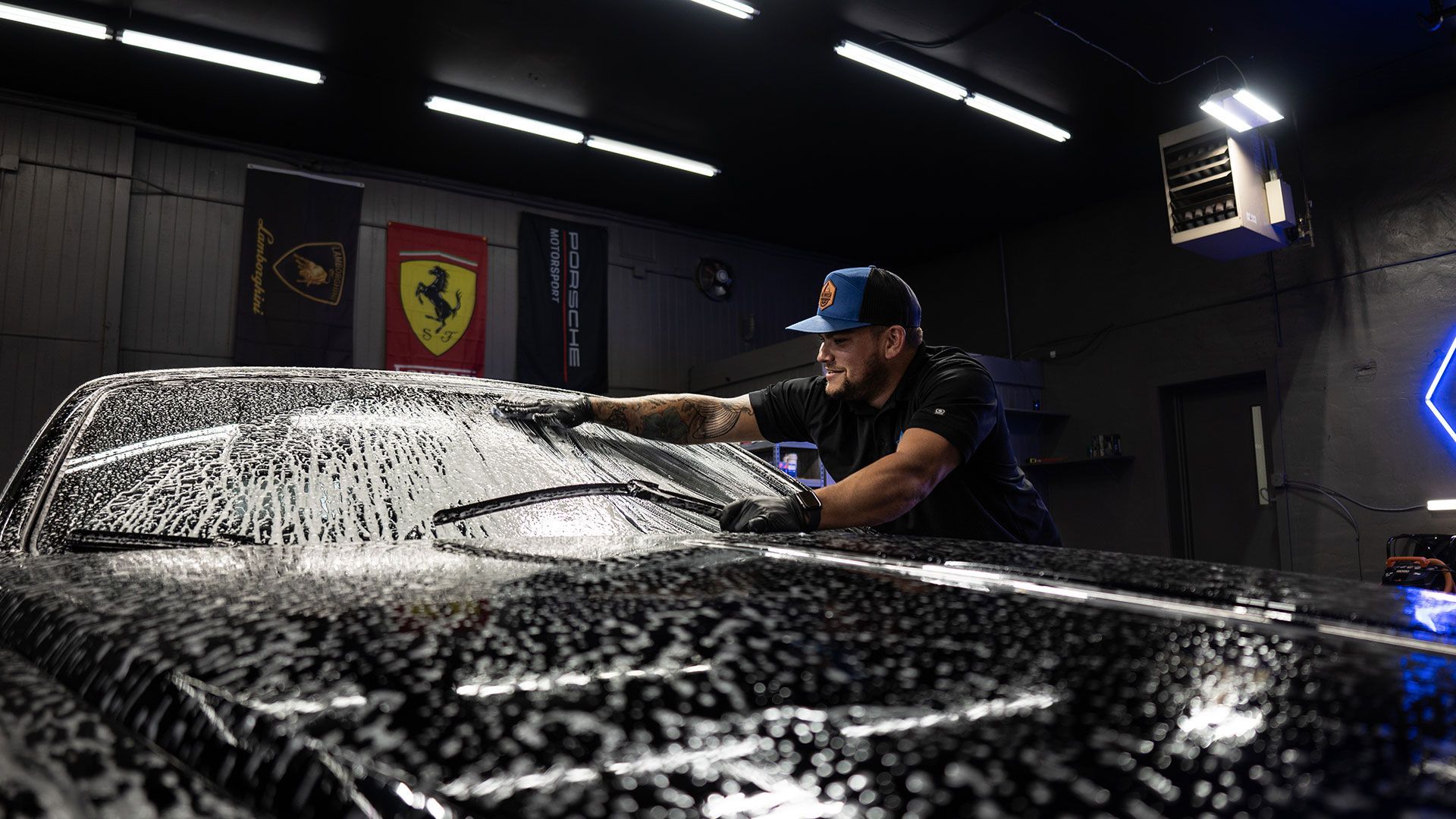
- Wash gently: Follow the film manufacturer’s cleaning method; 3M favors hand washing and warns that brushes can scratch film or lift edges.
- Address contamination promptly: Follow approved directions for removing fuel spills, sap, and other difficult deposits.
- Reduce unnecessary exposure: Use shaded or indoor parking when practical.
- Watch for deterioration: Ask the installer to assess discoloration, loss of gloss, or other visible degradation.
These habits help you care for the finish rather than assuming the wrap is maintenance-free. (3m.com)
Choose the benefit that matters most
The strongest wrap project begins with a clear priority: a different appearance, recognizable business graphics, or a limited accent. Decide what success looks like, compare coverage options, and review the condition of the vehicle before approving installation. With realistic expectations and a workable care plan, you can choose a design that suits both your vehicle and how you use it.
WeWrap Blog